
No Hoof, No Horse! The Importance of Regular Hoof Care for Horses

Wild Hoof Equine • January 14, 2025

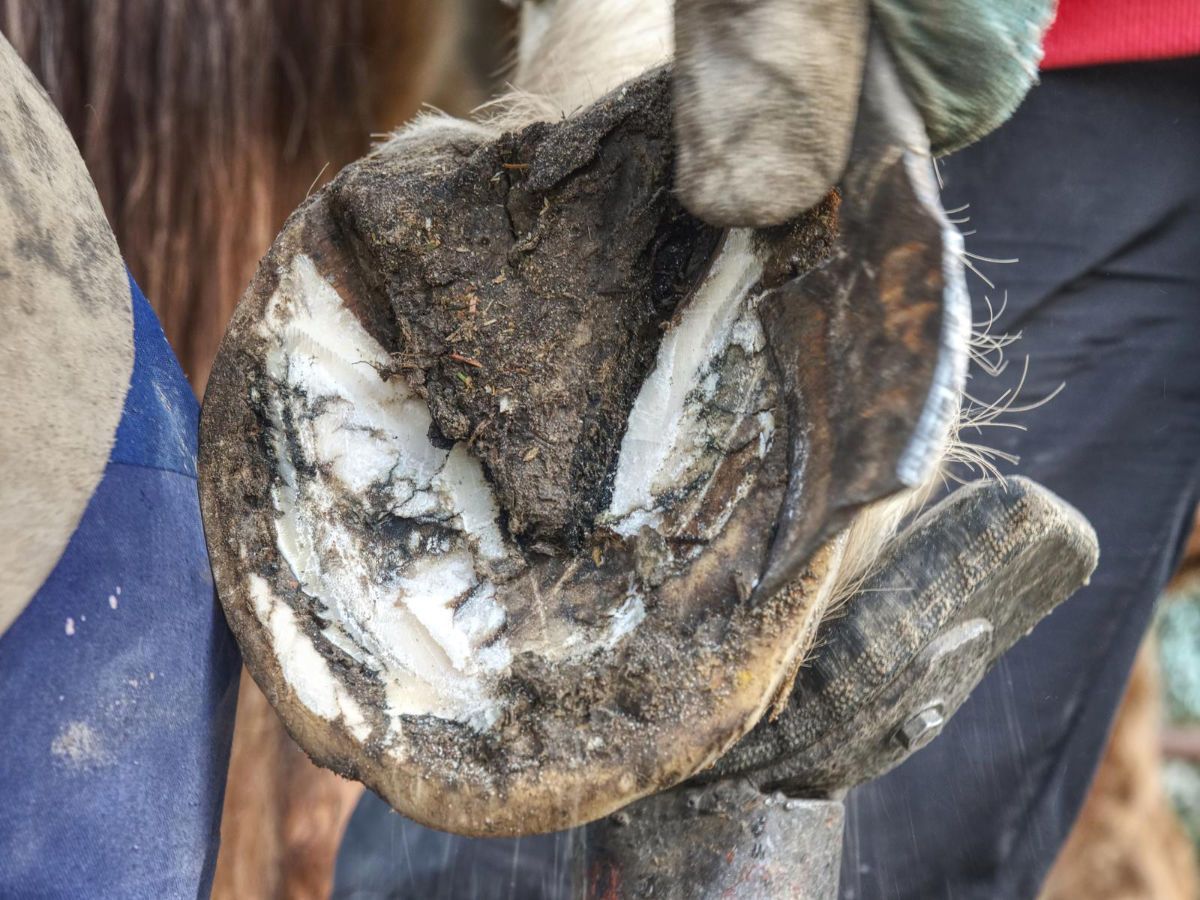
As a horse owner, it's essential to prioritize your equine companion's hoof health. Regular hoof care is crucial for maintaining the overall well-being and performance of your horse. Neglecting hoof care can lead to a range of problems, from mild discomfort to severe lameness and even long-term damage.


Barefoot Trimming

Why Hoof Care Matters


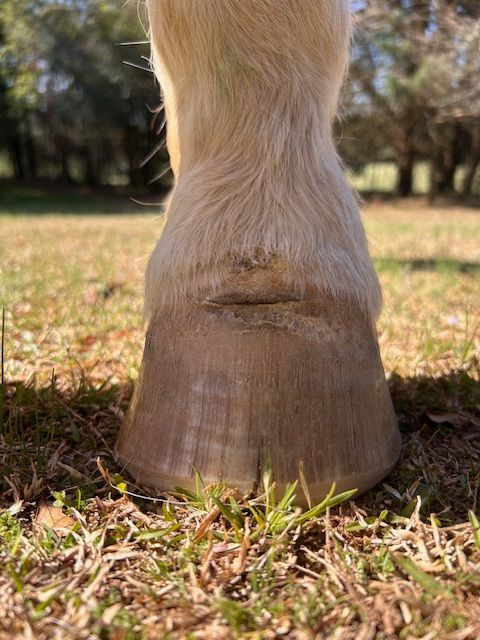
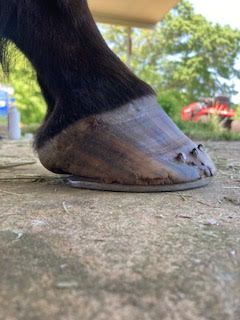
Horses' hooves are made of a protein called keratin, which grows continuously throughout their lives. If not properly maintained, hooves can become cracked, chipped, or distorted, leading to pain and discomfort. Even more, the internal structures can fall victim to a myriad of pathologies. Regular hoof care helps to:


  1. Prevent lameness: Proper trimming (and shoeing if necessary) can help prevent lameness and reduce the risk of injury.

  2. Maintain balance: Balanced hooves support balanced wear (barring any body issues), reducing the risk of strain on joints and muscles. 

  3. Promote healthy growth: Regular trimming encourages healthy hoof growth.

  4. Detect potential issues: Regular evaluation can help identify potential problems, such as thrush, inflammation, etc., before they become severe.


What Constitutes Regular Hoof Care?


Regular hoof care involves:


  1. Trimming: Trimming every 4-6 weeks to maintain proper hoof shape and length.

  2. If Shoeing: Shoeing every 4-6 weeks to provide support and protection for the hooves.

  3. Evaluations: Regular inspections to check for signs of wear, cracks, or other issues.

  4. Cleaning: Daily cleaning of the hooves to remove dirt and debris.


Consequences of Neglecting Hoof Care


Neglecting hoof care can lead to a range of problems, including:


  1. Lameness: Pain and discomfort can cause lameness, making it difficult for your horse to move or perform.

  2. Infection: Cracks and chips can become infected, leading to abscesses, white line disease, or thrush.

  3. Long-term damage: Neglecting hoof care can lead to long-term damage, such as hoof deformities, chronic lameness, or dysfunction of the internal structures. 

  4. Coffin bone angle involvement: Studies have shown that at 4 weeks into the cycle, the coffin bone angle changes anywhere from 1.5 to 3 degrees. Shorter cycles allow for a more consistent situating of the coffin bone and internal structures. 


TLDR:


  • Regular hoof care (4-6 week cycles) is the most efficient means to keep educated eyes on your horse’s feet and allows for more progress to be made at each trim.

  • Studies have shown that at 4 weeks into the cycle, the coffin bone angle changes 1.5 to 3 degrees. Shorter cycles allow for a more consistent situating of the coffin bone and internal structures.


Cuial failure example oof
By Taylor Schouten August 5, 2025
Discover caudal failure in horses: learn to identify symptoms, understand causes, and find effective solutions to ensure your horse's health and well-being.
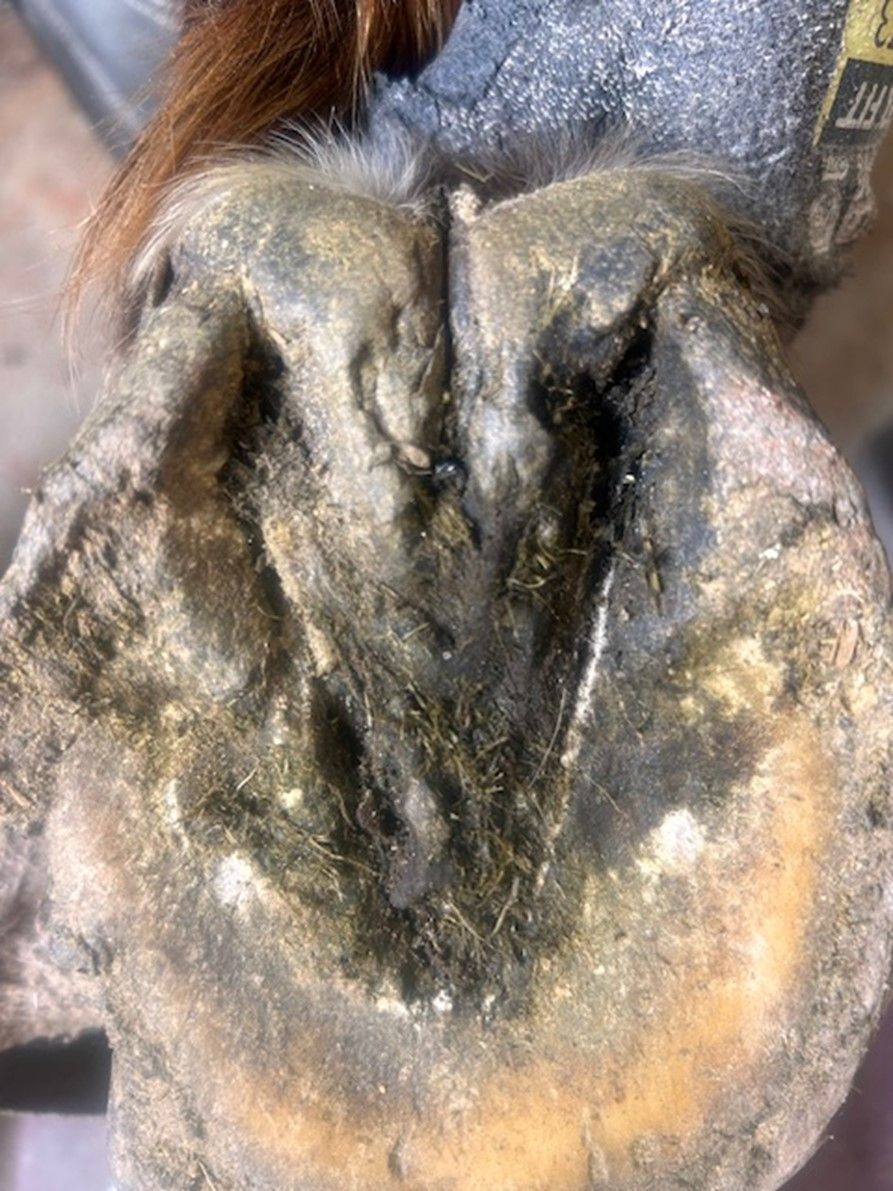
Thrush Infection treatment
By Wild Hoof Equine January 25, 2025
Discover the dangers of thrush infections in horses, including symptoms, prevention tips, and effective treatments to keep your equine friend healthy and happy.